Cloud Security Best Practices for Enterprise in 2024
•
By Lisa Wong
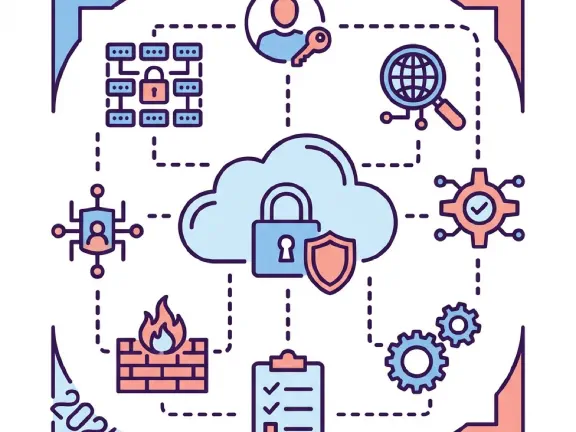
The State of Cloud Security in 2024
As enterprises continue their cloud migration journey, security remains the top concern. With 94% of enterprises using cloud services and 83% adopting a multi-cloud strategy, understanding cloud security has never been more critical.
The Evolving Threat Landscape
- Cloud-Native Attacks: 75% of security failures through 2024 result from inadequate management of identities, permissions, and privileges
- Supply Chain Vulnerabilities: 60% of organizations experienced a software supply chain attack in 2024
- Misconfigurations: The leading cause of cloud data breaches, responsible for 45% of incidents
Essential Cloud Security Best Practices
1. Identity and Access Management (IAM)
- Implement least privilege access
- Enforce multi-factor authentication (MFA) for all users
- Regularly review and revoke unnecessary permissions
- Use just-in-time access for privileged accounts
2. Data Protection
- Encrypt data at rest and in transit
- Implement data loss prevention (DLP) solutions
- Regular data classification and inventory
- Secure key management practices
3. Cloud Security Posture Management (CSPM)
- Continuous monitoring of cloud resources
- Automated compliance checks
- Real-time threat detection and response
- Configuration drift prevention
4. Network Security
- Implement micro-segmentation
- Use cloud-native firewalls and web application firewalls (WAFs)
- Secure API endpoints
- Monitor east-west traffic within cloud environments
Multi-Cloud Security Considerations
1. Consistent Security Policies
- Standardize security controls across cloud providers
- Implement centralized logging and monitoring
- Unified identity management
2. Compliance Management
- Understand shared responsibility models for each provider
- Automate compliance monitoring
- Regular security assessments and audits
Emerging Trends in Cloud Security
AI-Powered Security
- Automated threat detection and response
- Anomaly detection using machine learning
- Predictive security analytics
Cloud-Native Application Protection Platforms (CNAPP)
- Unified security for cloud-native applications
- Runtime protection
- Vulnerability management
Extended Detection and Response (XDR) for Cloud
- Cross-layered threat detection
- Automated investigation and response
- Integration with existing security tools
Datolab’s Cloud Security Services
Our comprehensive cloud security solutions include:
Cloud Security Assessment
- Architecture review
- Configuration audit
- Compliance gap analysis
Managed Cloud Security 24/7 monitoring and management of:
- Identity and access
- Data protection
- Threat detection and response
Cloud Security Training
- Team training and certification
- Security awareness programs
- Incident response drills
Contact us to secure your cloud infrastructure with confidence.