Data Security vs Data Privacy: What Every Business Needs to Know
Two Sides of the Same Coin
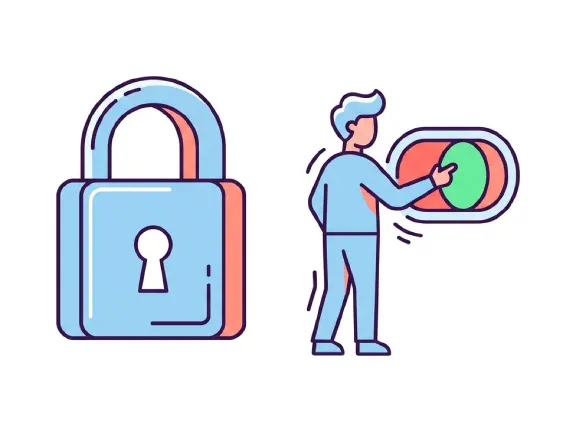
Data security and data privacy are often used interchangeably, but they represent distinct concepts that every business must understand. Think of it this way: data security is the lock on your door, while data privacy is the right to decide who gets a key.
In 2026, with regulations like GDPR, CCPA, and LGPD in full effect, getting this distinction wrong can cost your business millions in fines and irreparable reputational damage.
Defining the Terms
What is Data Security?
Data security refers to the technical and administrative controls that protect data from unauthorized access, corruption, or theft throughout its lifecycle. It focuses on confidentiality, integrity, and availability — the CIA triad.
- Confidentiality: Only authorized parties can access data
- Integrity: Data is accurate and hasn’t been tampered with
- Availability: Data is accessible when needed
What is Data Privacy?
Data privacy, also called information privacy, concerns the proper handling of personal data — how it’s collected, used, shared, and stored. It focuses on individual rights and consent.
- Transparency: Clear disclosure of data practices
- Purpose limitation: Data used only for stated purposes
- Data minimization: Collect only what’s necessary
- Individual rights: Access, correction, deletion, portability
Key Differences at a Glance
| Aspect | Data Security | Data Privacy |
|---|---|---|
| Focus | Protecting data from threats | Rights of data subjects |
| Primary concern | Unauthorized access | Unauthorized use |
| Regulatory examples | PCI-DSS, SOX, HIPAA Security Rule | GDPR, CCPA, LGPD, HIPAA Privacy Rule |
| Implementation | Firewalls, encryption, access controls | Consent forms, privacy policies, DPIAs |
| Failure impact | Data breach, system compromise | Regulatory fines, loss of trust |
| Who owns it | CISO, IT Security | DPO, Legal, Compliance |
Why Your Business Needs Both
Security Without Privacy
A company could have world-class encryption, SIEM monitoring, and 24/7 SOC coverage — but if it’s collecting more customer data than necessary or using it without proper consent, it’s violating privacy regulations regardless of how secure that data is.
Privacy Without Security
Conversely, having a stellar privacy policy and transparent data practices means nothing if a breach exposes that data. Privacy promises are hollow without the security infrastructure to back them up.
The Compliance Landscape
GDPR (EU): Fines up to €20 million or 4% of global revenue
- Requires both technical security measures AND privacy-by-design principles
- Mandates Data Protection Impact Assessments (DPIAs)
- 72-hour breach notification requirement
CCPA/CPRA (California): Fines up to $7,500 per violation
- Right to know what data is collected
- Right to delete personal information
- Right to opt out of data sales
LGPD (Brazil): Fines up to 2% of revenue (capped at R$50 million)
- Similar to GDPR in structure and requirements
- Requires appointment of a Data Protection Officer
HIPAA (Healthcare US): Fines up to $1.5 million per violation
- Security Rule + Privacy Rule working in tandem
- Requires business associate agreements
- Breach notification to affected individuals
Building a Unified Strategy
1. Conduct a Data Inventory
Before you can protect or govern data, you need to know what you have:
- Map data flows across your organization
- Classify data by sensitivity (PII, PHI, financial, etc.)
- Identify where data is stored, processed, and transmitted
- Document data retention and disposal schedules
2. Implement Privacy-by-Design
Integrate privacy into your systems and processes from the ground up:
- Conduct Privacy Impact Assessments (PIAs) before launching new products
- Apply data minimization principles to all data collection
- Implement granular consent management
- Design systems with user control in mind
3. Deploy Technical Controls
Security measures that enable privacy compliance:
- Encryption: Protect data at rest and in transit
- Access controls: Role-based access with least privilege
- Audit logging: Track who accessed what and when
- Data masking: Obscure sensitive data in non-production environments
- DLP solutions: Prevent unauthorized data exfiltration
4. Establish Governance
Create the policies and procedures that bridge security and privacy:
- Data Protection Policy: Covers both security and privacy requirements
- Incident Response Plan: Include privacy-specific procedures for breach notification
- Vendor Risk Management: Ensure third parties meet your standards
- Employee Training: Cover both security awareness and privacy obligations
5. Monitor and Adapt
The regulatory landscape evolves constantly:
- Track changes to privacy regulations in all jurisdictions where you operate
- Conduct regular privacy audits alongside security assessments
- Review and update privacy policies annually
- Monitor regulatory enforcement actions for lessons learned
Common Misconceptions
“We’re too small to be a target” — 43% of cyber attacks target SMBs, and privacy regulations apply regardless of size.
“Our cloud provider handles security” — The shared responsibility model means you’re still accountable for your data, even in the cloud.
“Privacy is just a legal issue” — Privacy requires close collaboration between legal, IT, security, and business teams.
“We’re compliant, so we’re secure” — Compliance is the minimum bar, not a guarantee of security or privacy.
The Cost of Getting It Wrong
The consequences of failing at either security or privacy are severe:
- Financial: Average data breach cost reached $4.88 million in 2026
- Reputational: 65% of customers lose trust after a data incident
- Operational: Average downtime of 22 days after a ransomware attack
- Legal: Class action lawsuits and regulatory investigations
- Competitive: Lost business opportunities and partner relationships
How Datolab Can Help
We help businesses navigate the intersection of data security and privacy:
Data Security Assessment
- Vulnerability scanning and penetration testing
- Security architecture review
- Encryption and access control implementation
Privacy Compliance Programs
- GDPR, CCPA, LGPD, and HIPAA readiness assessments
- Privacy policy development and review
- Data Protection Impact Assessments (DPIAs)
- Consent management and data subject request workflows
Integrated Security & Privacy Solutions
- Data discovery and classification
- Vendor risk management
- Incident response with privacy breach notification
- Employee training programs covering both domains
Contact us to strengthen your data security and privacy posture today.